Welcome newcomers and old friends to BrainsNGains! My name is Lauren Johnson and this blog is where you’ll find my thoughts on all things related to fitness and science! I’m a NASM certified personal trainer and student at the great University of Florida pursuing a bachelor’s degree in applied physiology and kinesiology on a pre-physical therapy track. I currently work out every day and I’m very dedicated to fitness and becoming the strongest I can be. This blog was started to inspire people to become greater than themselves, as I am trying to do through healthcare. I hope to share with you the highs and lows of my fitness journey and my journey to becoming a physical therapist. So if you like making gains or using your brain then feel free to keep reading!

What Protein Powder Should You Buy?
Supplementation is one of the most confusing areas of fitness for those first starting. What should you and shouldn’t you use? What products actually work? Which brands are the best? To make it easier on you, in this post I’ll be outlining the contents and benefits of different types of protein powders and my review on popular brands.
What’s in protein powder?
One thing to keep in mind when buying supplements is that they are not regulated by the FDA. There could be harmful chemicals present that aren’t listed in the nutrition facts. Some supplements are labeled as health products, when there are 20-30 grams of sugar inside. So, it’s important to do your research on your products and the companies you’re buying from. And of course, supplements are, well, supplements! You can’t rely on them alone to meet your daily dietary needs. Always speak with your medical provider prior to adopting any supplements into your diet.
Whey protein is the most common form of protein powder. Whey is the protein found in the liquid strained from curdled milk. Sounds disgusting, right? It actually has many benefits. Not only does it support muscle growth, but it has been shown to promote bone growth, improve cognitive function, and lower cholesterol1. It is considered a complete protein, meaning it contains all the essential amino acids that our bodies cannot produce on their own2. Casein is the protein that comes from the remaining curdled milk. This is much less common than whey protein. The main difference between the two is that it takes longer to digest casein, keeping you full longer3.
Soy, brown rice, and pea protein are the most common plant based options. Soy is a complete protein made from soybeans. There is much controversy about the presence of phytoestrogen in soy protein isolate, which mimics the hormone estrogen in your body and can be harmful in excess4. Natural soy products such as tofu have been shown to lower cholesterol, but soy isolate may cause more harm than good5. Pea protein is an incomplete protein made from split peas3. While it is incomplete, it has antioxidant properties, promotes gastrointestinal health, and can lessen disease symptoms6. Brown rice protein is made from the separation of protein and carbohydrates within brown rice3. It contains even less of the essential amino acids than pea protein, but has been shown to maintain healthy cholesterol levels3.
Studies have shown that whey protein is more effective at stimulating muscle synthesis than soy protein7. Additionally, whey and soy protein were both more effective in muscle synthesis than casein, due to the fact that they are digested much faster7. Overall, it is difficult to find a definitive answer on which is “easiest” for the body to digest. It is often dependent on the individual and their dietary habits and restrictions.
Protein Reviews
I have tried many brands of protein powder from basic grocery store products to premium products from GNC and online stores. I prefer to blend my protein into smoothies, so the basic chocolate, vanilla, and strawberry flavors always pair well. Of course, whey protein has a creamy taste and vegan protein has a green taste. For myself, I find that plant protein will upset my stomach at times. However, for dairy free individuals it’s a great alternative to whey. It’s different for everyone, so explore your options!
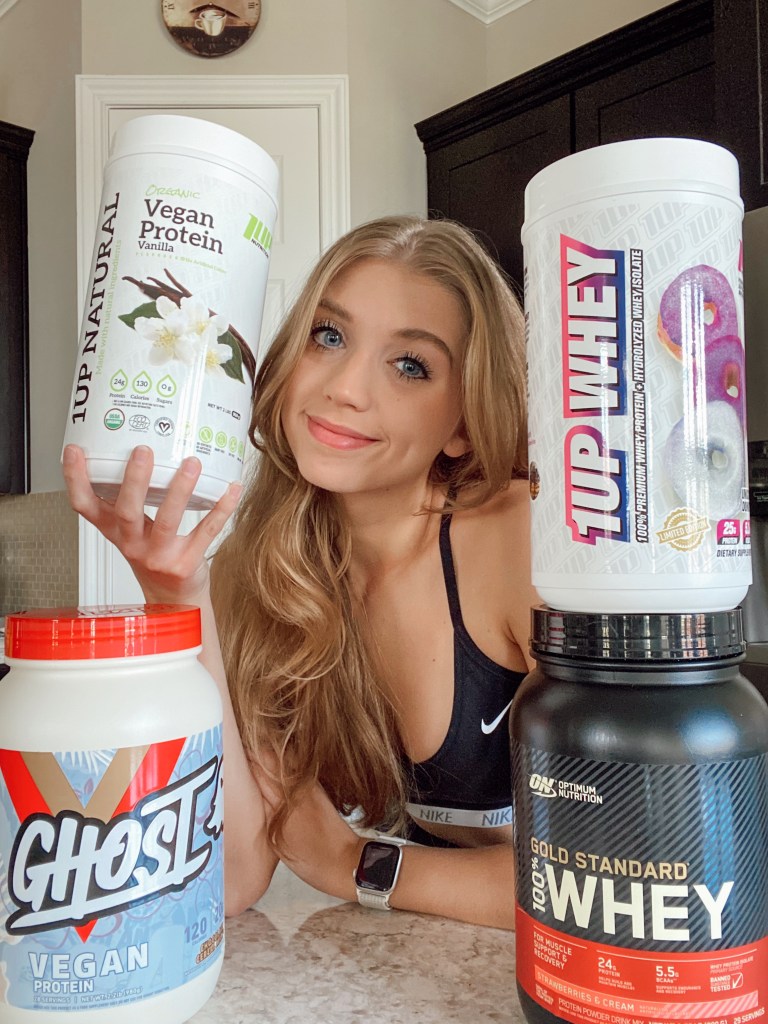
I’ve tried both whey and pea protein from 1up Nutrition. In my opinion, the taste does pair well with smoothies but isn’t very good on its own. Their whey protein contains around 3-4 grams of fat and 4 grams of sugar. I’ve found that the whey protein is a little too sweet for my liking. The pea protein is very high quality with 100% natural ingredients. It is a USDA certified organic product and certified vegan product. It’s also sweetened with stevia so there’s 0 grams of sugar and 2 grams of fat. It is definitely my top choice for vegan proteins!
Ghost is an incredibly trendy brand right now. They have done collaborations with sour patch kids, chips ahoy, and more for their supplements. I have only tried their vegan chocolate cereal milk flavored protein. I think it tastes great in smoothies and by itself. I was amazed that it tasted so good with 0 grams of sugar and only 2 grams of fat. It’s made of a mixture of pea, pumpkin seed, and watermelon seed protein. This protein however made me feel much more full than the 1up pea protein even though their ingredients are very similar.
My current favorite is my Optimum Nutrition strawberries and cream flavored whey protein. It tastes great by itself and in smoothies. It contains 24 grams of protein and 5.5 grams of BCAAs (branched chain amino acids). BCAAs contain some of the essential amino acids we previously discussed, plus additional amino acids that aid in muscle recovery. It has 1 gram of fat and 1 gram of sugar. This is my top choice for whey proteins.
Which should you choose?
At the end of the day, the protein you choose is highly dependent on your lifestyle and dietary restrictions. Based on my own research, I choose not to consume soy protein. I personally use both whey and pea protein, depending on my consumption of animal products that day. For those who exercise regularly, protein powder is an excellent supplement to aid in muscle growth. Like I said before, make sure to consult either your dietician or doctor prior to taking any supplements. Comment below any questions you have or protein powder recommendations!
Sources
- Krissansen, G. W. (2007). Emerging Health Properties of Whey Proteins and Their Clinical Implications. Journal of the American College of Nutrition, 26(6). doi:10.1080/07315724.2007.10719652
- Team, W. (2020, October 14). Do I Need to Worry About Eating ‘Complete’ Proteins? Retrieved December 21, 2020, from https://health.clevelandclinic.org/do-i-need-to-worry-about-eating-complete-proteins/
- Admin. (2018, March 06). Pros And Cons Of Different Protein Powders. Retrieved December 21, 2020, from http://fitcolony.com/pros-cons-different-protein-powders/
- Daniels, C. (2018, December 07). Does Eating Soy Increase Estrogen Production? Retrieved December 21, 2020, from https://healthyeating.sfgate.com/eating-soy-increase-estrogen-production-2870.html
- Robinson, K. (2014, May 16). Soy Protein and Cholesterol: Benefits, Risks, How Much to Eat. Retrieved December 21, 2020, from https://www.webmd.com/cholesterol-management/features/soy-and-cholesterol
- Ge, J., Sun, C., Corke, H., Gul, K., Gan, R., & Fang, Y. (2020). The health benefits, functional properties, modifications, and applications of pea ( Pisum sativum L.) protein: Current status, challenges, and perspectives. Comprehensive Reviews in Food Science and Food Safety, 19(4), 1835-1876. doi:10.1111/1541-4337.12573
- Tang, J. E., Moore, D. R., Kujbida, G. W., Tarnopolsky, M. A., & Phillips, S. M. (2009). Ingestion of whey hydrolysate, casein, or soy protein isolate: Effects on mixed muscle protein synthesis at rest and following resistance exercise in young men. Journal of Applied Physiology, 107(3), 987-992. doi:10.1152/japplphysiol.00076.2009
Self-Love
I’ve lived a majority of my life feeling insecure. This isn’t a sob story. Everyone feels this way at some point. I’m not looking for validation, either. In fact, I have been given validation from others my entire life, but that was never enough me. Despite those around me telling me I was skinny, the mirror told me something different. It took me many years to realize 2 things: 1- No one is staring at my body and judging everything about it, and 2- Even if they were, the only thing that matters is me loving myself.
In the first picture below, taken the summer before my junior year of high school, you can see an insecure little me, covering my stomach. This girl, barely weighing 100lbs, thought she was fat. You can very clearly see my ribs and hip bones and there is no muscle to be seen. I limited myself to very low calorie foods and wanted nothing more than to shed a few pounds. Fast forward to today, my freshman year of college, I am more confident in my body than ever before. Weighing at about 120lbs, I’ve gained weight in every area I was insecure about before, but I’ve also gained muscle in the process. I still don’t have a perfectly round butt or a perfectly flat stomach, but I’m proud of the progress I have made. I, dare I say, love my body!
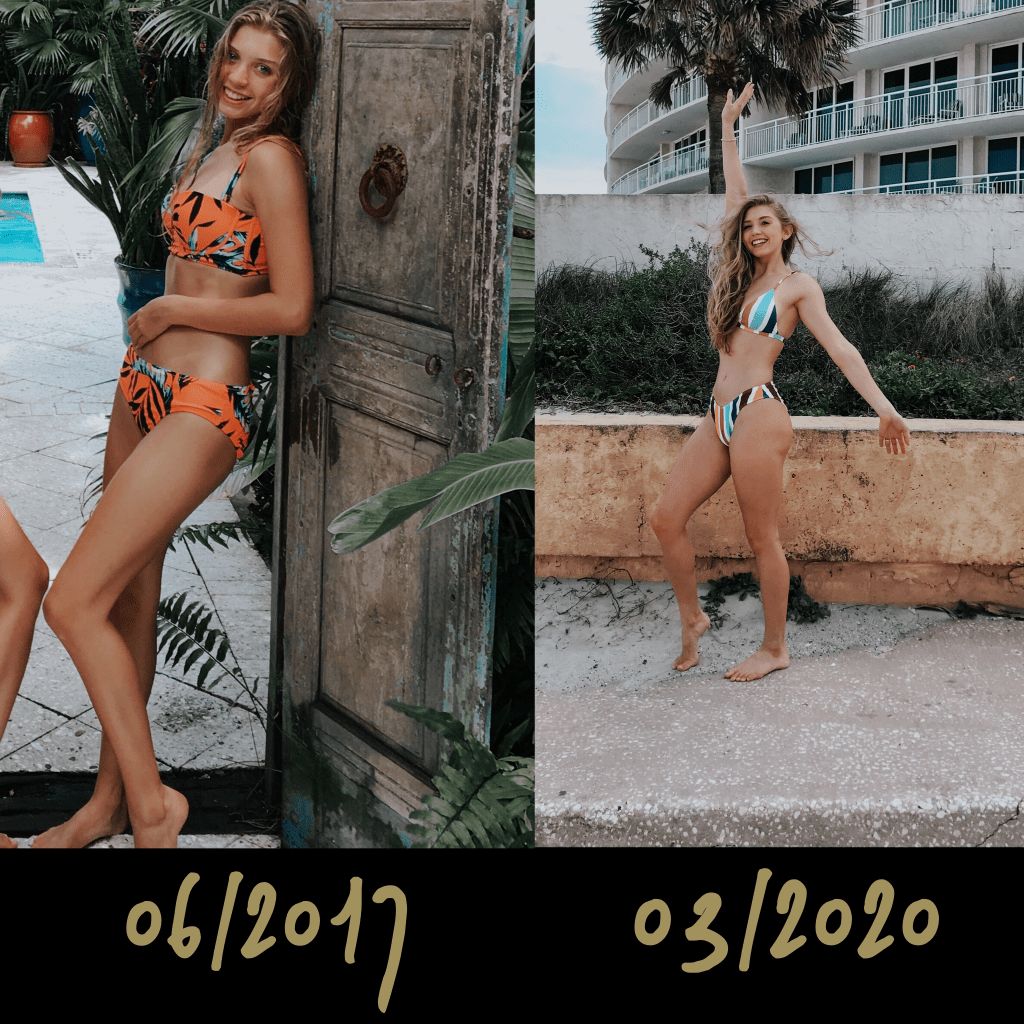
I don’t want to claim to be 100% confident in myself, because it is a continuous process. I still have my days where I look down at my stomach and wish it was smaller. But what matters is that I’m getting better. I am eating mindfully and exercising regularly. I’m doing what is right for my body and learning to love it. I’m learning that I can’t be perfect. I can’t have the body of an athlete that dedicates their life to performance when I have to sit in front of my laptop a majority of the day writing papers and doing chemistry. I could have chosen to do that. But to me, my goals are far greater than my desire to have a “perfect body.” Therefore there is no need for me to expect my body to look that way.
If there’s one thing I could leave with you going forward, it’s to self reflect. Think of everything you’d like to change about your body. If you have a goal that can be achieved by simply changing a bad habit, then by all means set that goal for yourself and work hard for it! But also learn to be patient with yourself and know that you and your body won’t change overnight. If your goal requires an extensive amount of money, training, surgeries, etc, then forget about it. There will never be enough cosmetic surgeries to make you love yourself. It is a learned habit of constantly changing negative thoughts and behaviors. Loving yourself doesn’t mean waiting until you look good and then being okay. Loving yourself is accepting every mistake, setback, donut craving, bad hair day, and everything in-between. I challenge you to start loving yourself. While it may not be easy, it is most definitely worthwhile.
NASM Certification: What You Need to Know
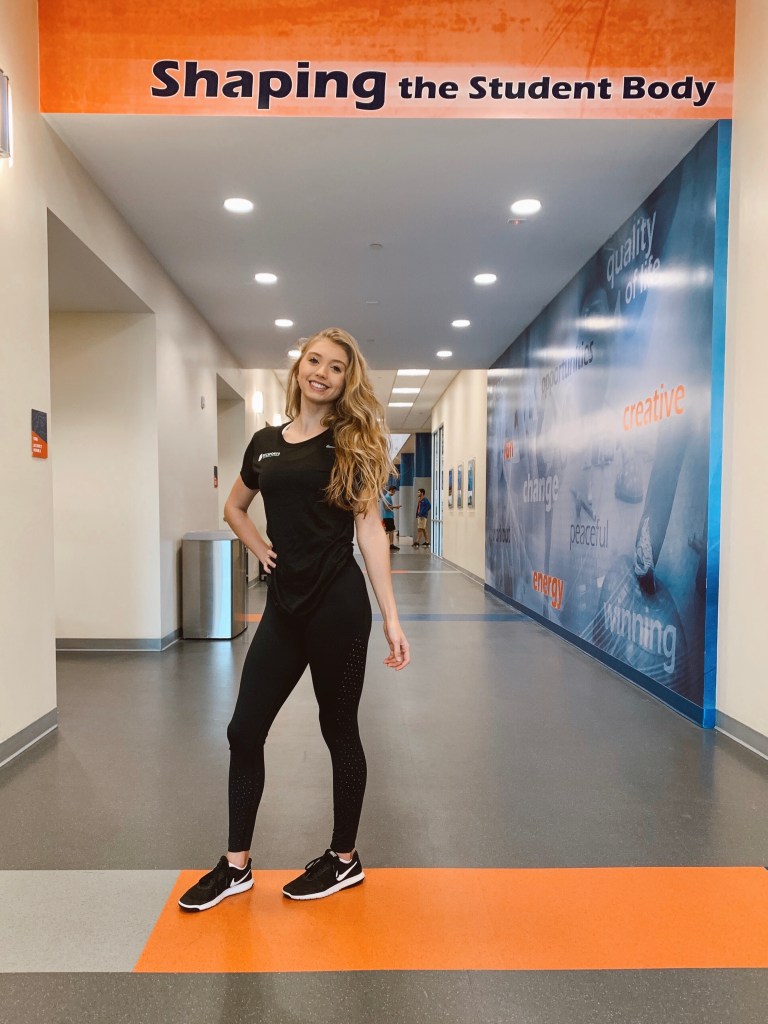
In December of 2019 I earned my Personal Training Certification from the National Academy of Sports Medicine, along with a certificate of distinction for taking an additional class before completing my certification. What I thought was going to be an easy course ended up being more challenging than some of the classes I was taking at UF… Definitely not Gen Chem 1 though. If you yourself are looking into becoming certified or would simply like to hear my experience, then keep reading as I outline some key factors about becoming NASM certified.
1- SO. MUCH. KNOWLEDGE.
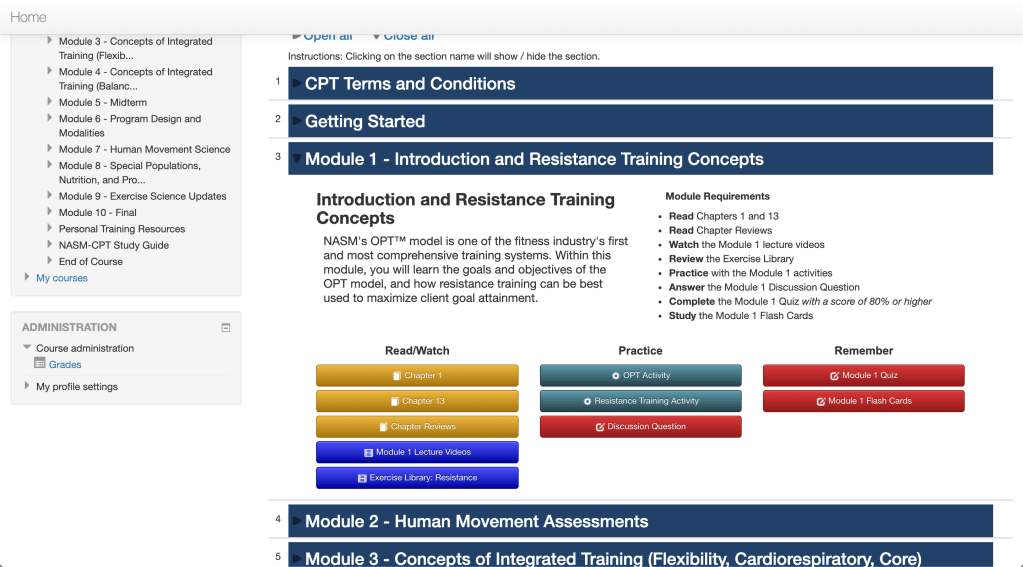
You may not expect to see any material on neurons or the oxidative system, but NASM has it all. While you are learning about the different systems of the human body, you are also learning the processes the body undergoes on a molecular level to further understand all the components involved in something as simple as a simple bicep curl. The first section of the textbook outlines exercise science, anatomy and physiology. Section two outlines the different styles of training such as cardiovascular, plyometric, balance, etc. Section 3 outlines the limited nutrition and supplementation advice we as personal trainers can give. The last section outlines professional development and client coaching. There are 600+ pages and you must know practically the entire book front to back!
2- Learn at your own pace
Don’t let that last sentence scare you! You’ll have plenty of time to learn the material. Once you sign up for the certification course, you are given a textbook and access to on online portal in which you can take advantage of short lectures, flash cards, practice quizzes, and more. The greatest thing about this course is that you can study on your own time. You are given an entire year to complete the material. For reference, as a full time student I was able to complete the material in about 5 months, including completing all the material, studying, and taking the certification exam. Whether you are working part time, full time, in school, or not, it’s convenient for anyone to get certified!
3- You will need to study… A LOT
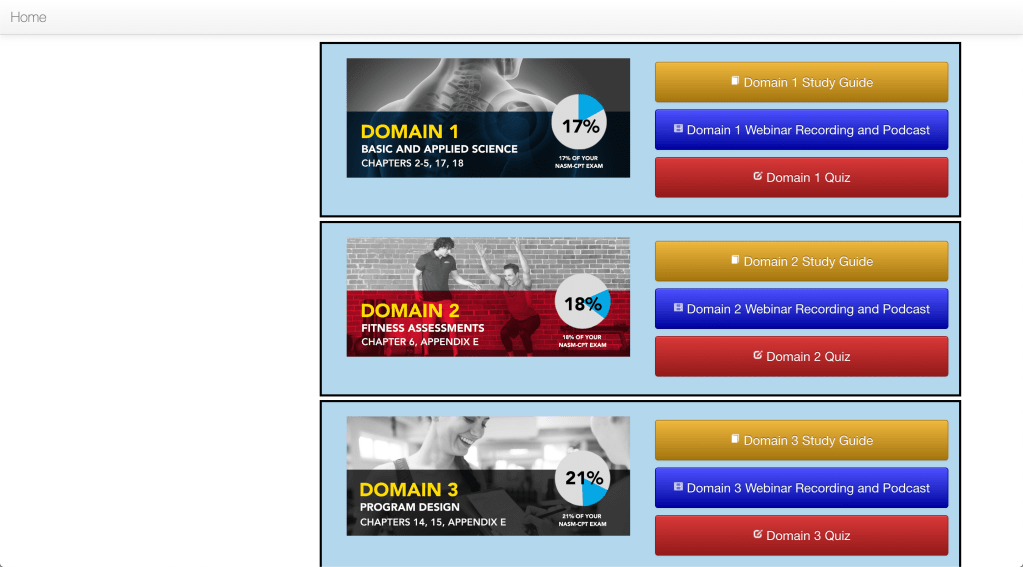
The certification exam is no easy test. There are 120 questions that you must complete in 120 minutes. There is no straightforward question, either. For example, for one question alone you must know the name of a certain movement, all of the muscles involved in that movement, the muscle imbalances caused by incorrectly performing the movement, and how to correct such errors. I would highly recommend utilizing the practice quizzes and exams on the NASM portal because the questions are very similar to that of the actual exam. I would also recommend writing more information on top of what is already provided on the study guides. The study guide, while it is massive, doesn’t contain all of the information tested. Lastly, don’t study at the last minute! In order to be confident and at ease during your test, make sure you’ve had weeks to study. In the off chance that you don’t pass your exam however, you can retake it a week following your first exam!
4- Financing
I was fortunate enough to get a significant discount on my certification because I took a class through UF’s RecSports, which is a partner of NASM. If you are a part of any major university or institution, definitely ask around to see if you could go through the class as I did. It was extremely helpful in learning the material and actively practicing what I had learned in the modules. Normally the certification costs $699, which can be a significant investment upfront for most people. Depending on where you’re working, you could make that money back very quickly. Commercial gyms such as Planet Fitness and Anytime Fitness don’t pay very much but you would be guaranteed many clients. Working independently, you could set your own price per session or per hour, but clients may not be guaranteed. So do keep in mind that you must have some business savvy when becoming a personal trainer.
I hope this all gave you enough information to judge whether or not you’d like to become a NASM certified personal trainer. Of course, if you have a passion to pursue the fitness field, I would say to go for it! If you have even the slightest interest at all I encourage you to do your research on the field! I’ve already learned so much from my incredible coworkers and absolutely love how welcoming the field of personal training can be. Best of all, I get to see others’ confidence grow as they become more sure of themselves and their bodies through fitness. There is no greater reward than that!
Study Tips
Let’s be honest y’all, studying can really suck sometimes. While it may feel like a means to an end, it doesn’t have to be so terrible all the time! Everybody learns differently, so it’s important to know what learning style fits you best. To keep it simple, let’s stick with the three most of us already know: auditory, visual, and kinesthetic. Don’t feel pressured to fit yourself into one category, however! I am predominantly visual, but I’m a mix of all three. So when I’m cramming for a big test at the last minute (which I definitely never do), I will use all three at the same time. I’ll walk in circles around my living room (kinesthetic), while reading my color-coated notes (visual), and saying everything aloud (auditory).
Now let’s break down each style of learning, so that you can see what works best for you. If you aren’t sure about which style you are, take the test linked below, then come back! http://www.educationplanner.org/students/self-assessments/learning-styles.shtml
Auditory: If you are auditory then you learn best by listening. Here are some tips for you:
- Speak aloud when studying
- Turn your notes into a song or a rap
- Record your lectures (with your professor’s consent) and then listen to them a few times
- Only write down key words in your notes, so you can focus on listening
Visual: If you are visual then you learn best by watching.
- Color-coat your notes
- Keep your notes organized
- Draw pictures and charts
- Watch engaging YouTube videos
- Re-write/type your notes
Kinesthetic/Tactile: If you are kinesthetic or tactile, you learn best by doing.
- Keep moving by walking around, tapping a pencil, etc
- Create hand motions to remember your notes
- Stand instead of sitting
- Study in groups and actively work out problems
Some tips for everyone:
- Study before going to bed! And actually go to bed, instead of studying all night! Studies have shown that students who do so perform much higher than their peers on tests! As you’re sleeping, your brain is processing all the information it received during the day and creating neural pathways that strengthen your memory. In the morning, you’ll be able to recall everything much more than if you had tried to study minutes before your test.
- Study over long periods of time! I struggle with this one for sure. It takes a lot of discipline to study days in advance for a test! Just like sleep, repetition can strengthen your neural pathways and help you remember that one part of the cell that houses DNA. (Hint: It’s not mitochondria)
- Take frequent breaks! You need to be hustling, but not so much that you lose focus. Taking breaks keeps you more engaged and productive while you’re working.
Let me know below what results you got on the test and if you have any study methods I missed that may help someone!

Strength Program Results
In my last post I described a 14-week strength program that I’ve been going through that increases your weight in bench, squat and deadlift and I have officially finished! I began weighing 110 pounds at 5’5″ and I ended weighing 118 pounds! My one rep max for bench was 75 pounds and I ended at 85 pounds, squat was 145 and I ended at 155, and deadlift was 155 and I ended at 175! Each cycle was 9 days, 8 days of exercise and 1 rest day, and consisted of one day dedicated to each major exercise (bench, squat, and deadlift) and then one day for each muscle group (chest, back, legs, shoulders, and arms). For those of you just getting started, remember that failing and repeating an exercise is very common so don’t get discouraged! Because it was my first time, I had to repeat my last two bench days. Since I weigh so little, I was very proud of my results even if the numbers don’t seem impressive. If you are interested in this program and would like more details then comment below or shoot me an email at brainsngainswebsite@gmail.com and I can hook you up!
Hitting ROCK bottom
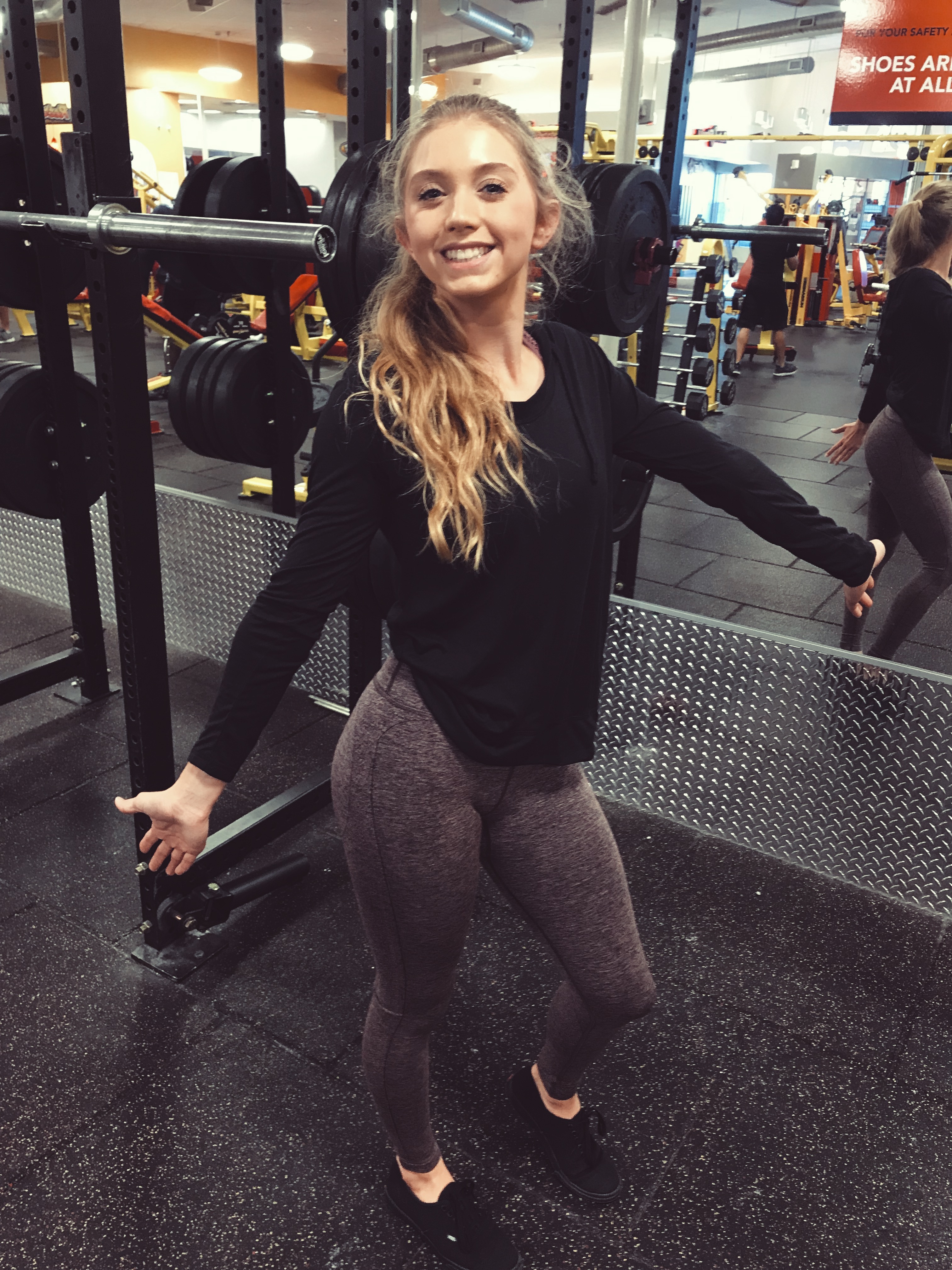
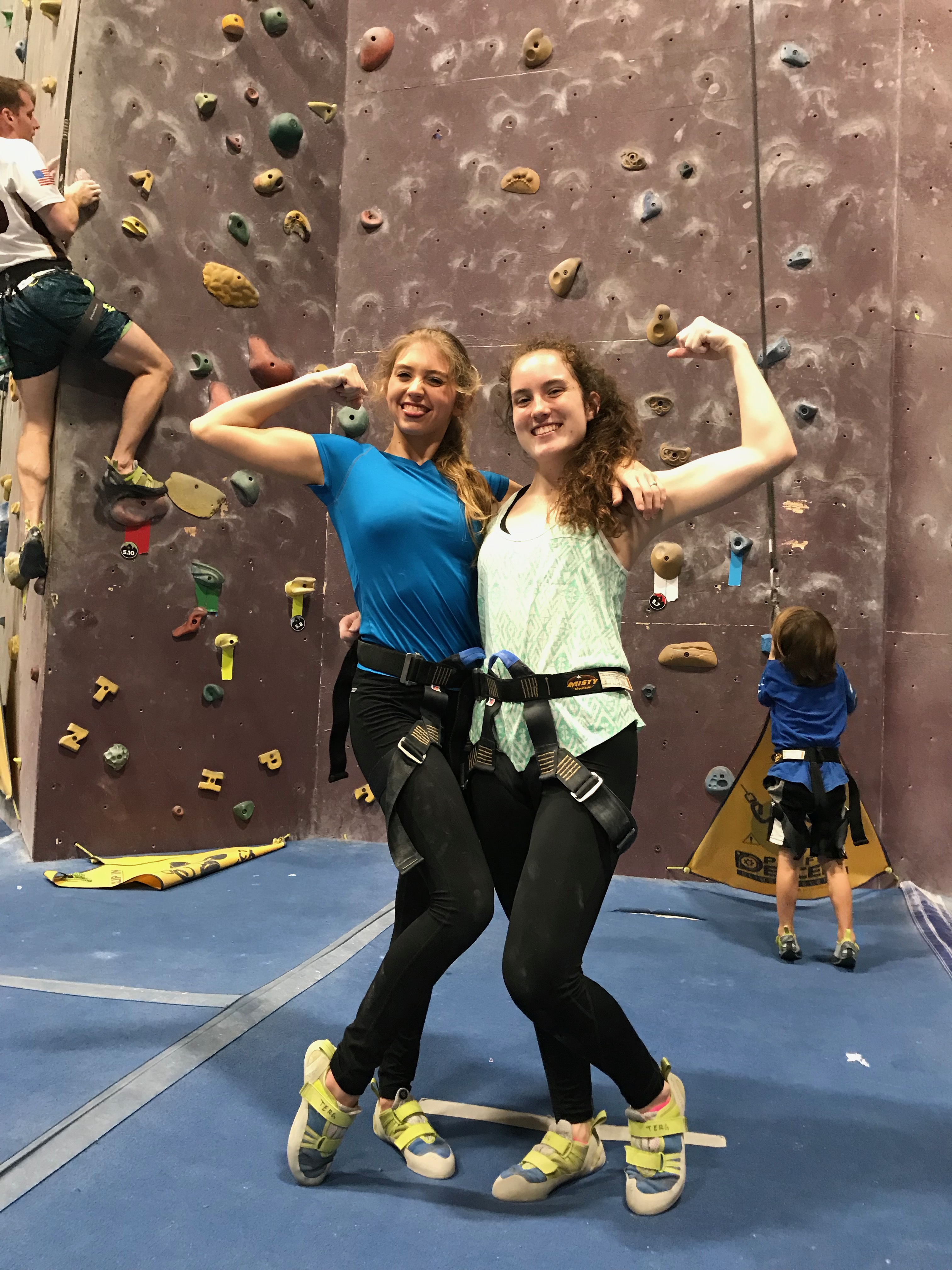
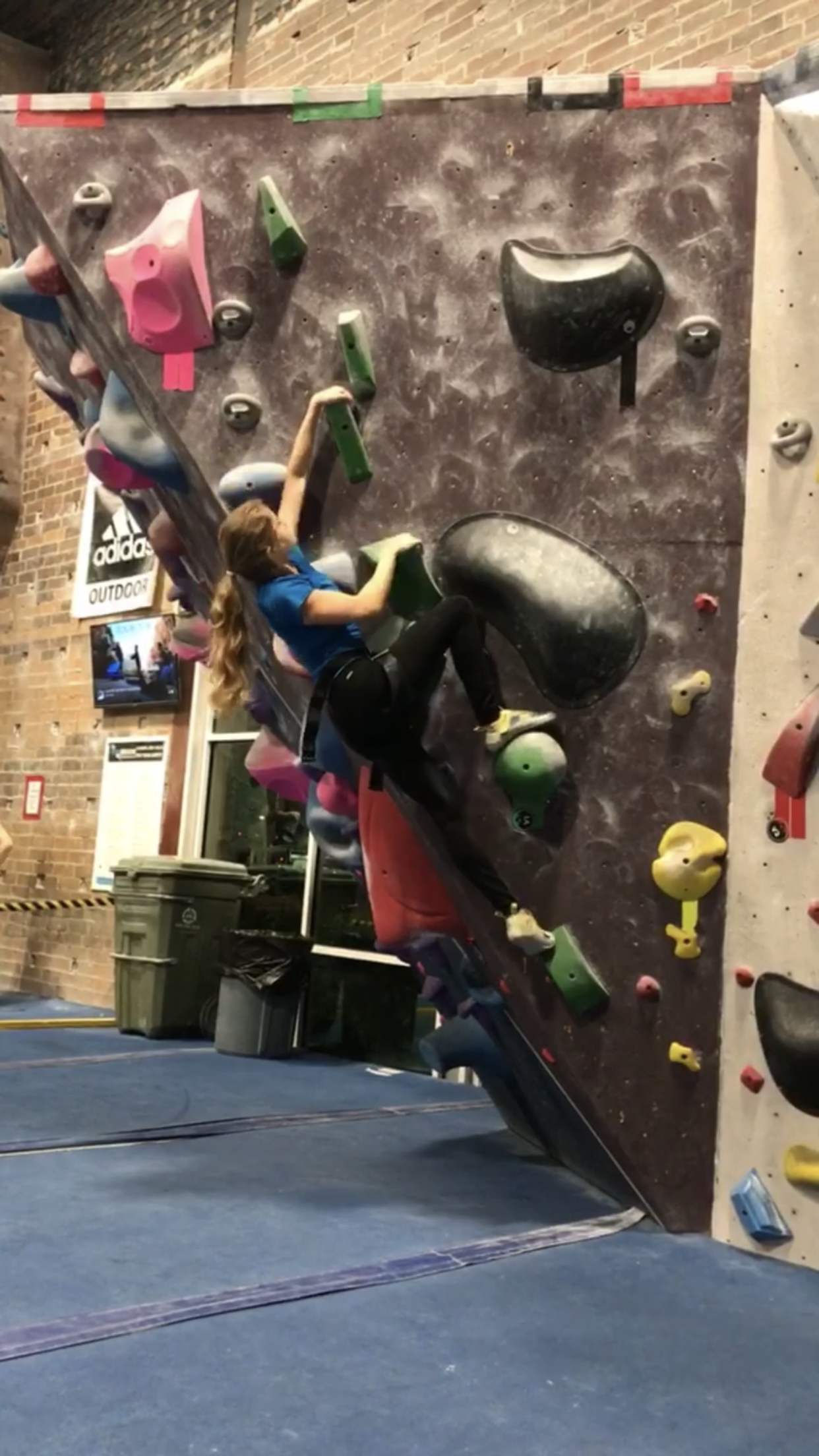
While I do workout every day, I like to find new and exciting ways to increase my fitness besides the typical lifting weights and such. Living in Florida means there is always swimming, beach volleyball, and many other outdoor sports but for some reason Florida decided to get cold this winter so the beach was out of the picture. BUT a friend of mine recently invited me to go rock climbing with her and I was really excited to try it out!
Now, I like to act like I’m 110% more confident than I actually am. However, when I climbed up my first wall I totally cheated because I was so scared of how high it was. But I quickly warmed up to it and ended up trying some of the really hard walls (which I definitely failed at first but that’s besides the point).
What you may not realize, if you’ve never been rock climbing, is that your fingers and forearms will be SO SORE the next day if you don’t use them a lot. The day after I went rock-climbing I was trying to deadlift and almost fell on my face trying to grab the bar as it was slipping from my weak grip. So 0/10 would recommend deadlifting after rock climbing.
The second time I went I decided to try bouldering and it quickly became my new favorite. For those who don’t know, bouldering is on a much shorter wall with no harness and it takes MUCH more skill than the regular walls. It primarily uses upper body strength and agility. I liked this the best because I could truly work my body until failure. In the gym it’s hard to find something as challenging that sculpts your body while also improving your endurance and agility. I definitely felt a sense of pride after I finished some of those courses because I knew I tried my absolute hardest! Even though all my muscles ached the morning after, you can bet that I’ll be back there trying to conquer those bouldering walls very soon!
 BrainsNGains