In December of 2019 I earned my Personal Training Certification from the National Academy of Sports Medicine, along with a certificate of distinction for taking an additional class before completing my certification. What I thought was going to be an easy course ended up being more challenging than some of the classes I was taking at UF… Definitely not Gen Chem 1 though. If you yourself are looking into becoming certified or would simply like to hear my experience, then keep reading as I outline some key factors about becoming NASM certified.
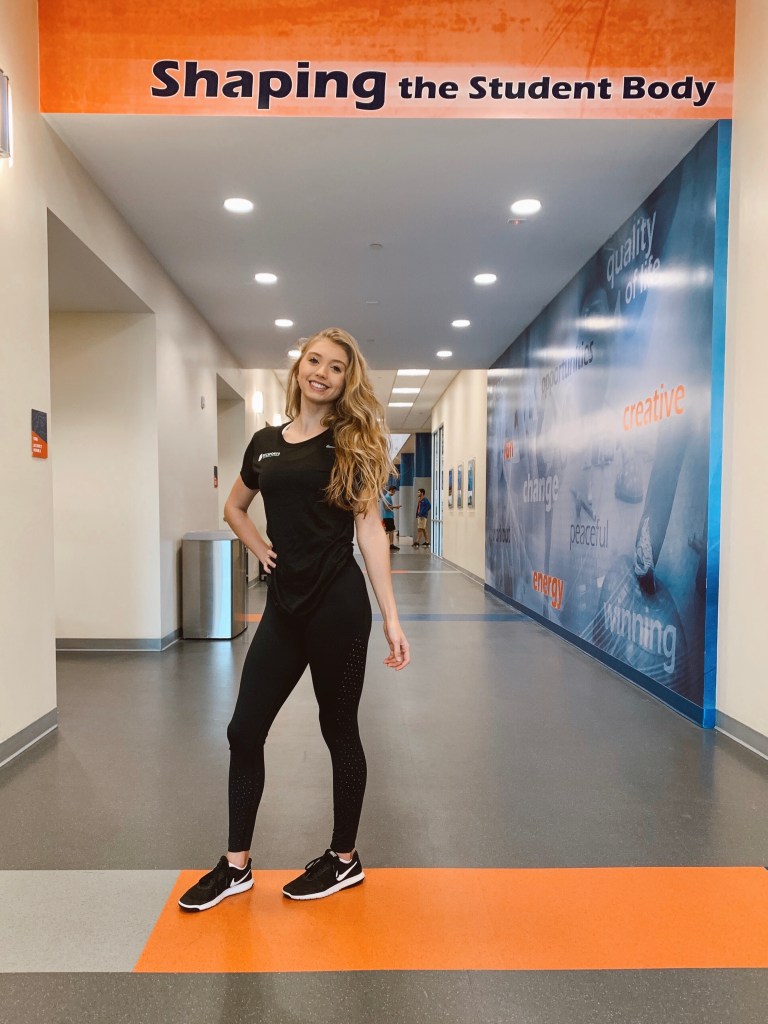
1- SO. MUCH. KNOWLEDGE.
You may not expect to see any material on neurons or the oxidative system, but NASM has it all. While you are learning about the different systems of the human body, you are also learning the processes the body undergoes on a molecular level to further understand all the components involved in something as simple as a simple bicep curl. The first section of the textbook outlines exercise science, anatomy and physiology. Section two outlines the different styles of training such as cardiovascular, plyometric, balance, etc. Section 3 outlines the limited nutrition and supplementation advice we as personal trainers can give. The last section outlines professional development and client coaching. There are 600+ pages and you must know practically the entire book front to back!
2- Learn at your own pace
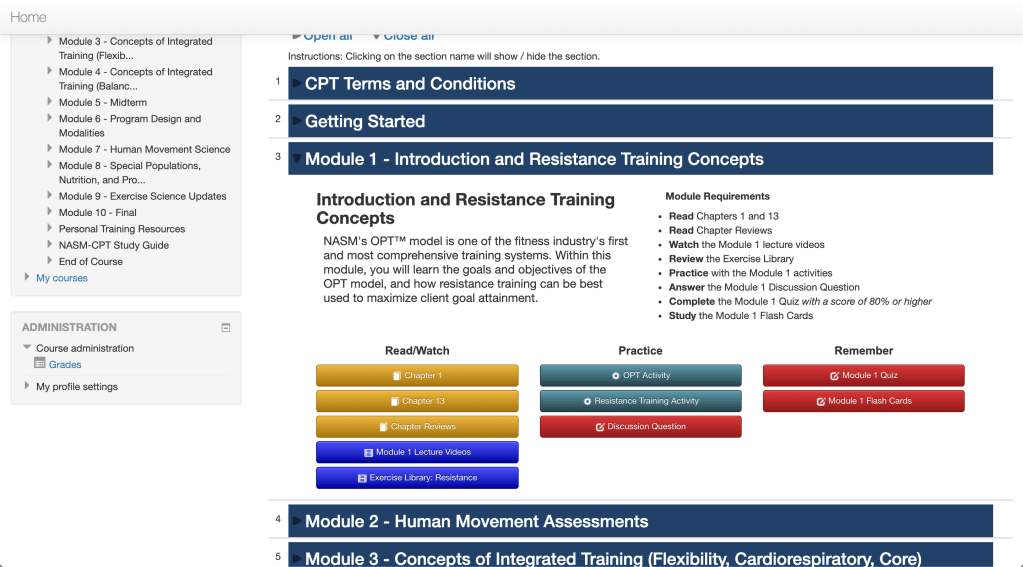
Don’t let that last sentence scare you! You’ll have plenty of time to learn the material. Once you sign up for the certification course, you are given a textbook and access to on online portal in which you can take advantage of short lectures, flash cards, practice quizzes, and more. The greatest thing about this course is that you can study on your own time. You are given an entire year to complete the material. For reference, as a full time student I was able to complete the material in about 5 months, including completing all the material, studying, and taking the certification exam. Whether you are working part time, full time, in school, or not, it’s convenient for anyone to get certified!
3- You will need to study… A LOT
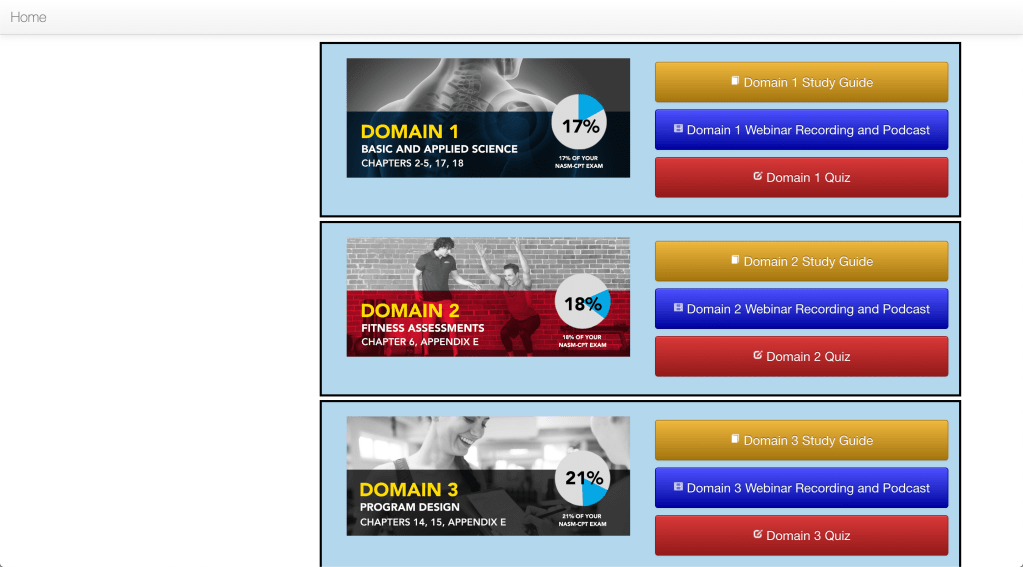
The certification exam is no easy test. There are 120 questions that you must complete in 120 minutes. There is no straightforward question, either. For example, for one question alone you must know the name of a certain movement, all of the muscles involved in that movement, the muscle imbalances caused by incorrectly performing the movement, and how to correct such errors. I would highly recommend utilizing the practice quizzes and exams on the NASM portal because the questions are very similar to that of the actual exam. I would also recommend writing more information on top of what is already provided on the study guides. The study guide, while it is massive, doesn’t contain all of the information tested. Lastly, don’t study at the last minute! In order to be confident and at ease during your test, make sure you’ve had weeks to study. In the off chance that you don’t pass your exam however, you can retake it a week following your first exam!
4- Financing
I was fortunate enough to get a significant discount on my certification because I took a class through UF’s RecSports, which is a partner of NASM. If you are a part of any major university or institution, definitely ask around to see if you could go through the class as I did. It was extremely helpful in learning the material and actively practicing what I had learned in the modules. Normally the certification costs $699, which can be a significant investment upfront for most people. Depending on where you’re working, you could make that money back very quickly. Commercial gyms such as Planet Fitness and Anytime Fitness don’t pay very much but you would be guaranteed many clients. Working independently, you could set your own price per session or per hour, but clients may not be guaranteed. So do keep in mind that you must have some business savvy when becoming a personal trainer.
I hope this all gave you enough information to judge whether or not you’d like to become a NASM certified personal trainer. Of course, if you have a passion to pursue the fitness field, I would say to go for it! If you have even the slightest interest at all I encourage you to do your research on the field! I’ve already learned so much from my incredible coworkers and absolutely love how welcoming the field of personal training can be. Best of all, I get to see others’ confidence grow as they become more sure of themselves and their bodies through fitness. There is no greater reward than that!
 BrainsNGains